
Acne Consultation
What to expect An acne consultation at AC Esthetics & Wellness is a focused, evidence-informed appointment to identify the root causes of your acne and create a personalized plan to improve skin health. The consultation typically lasts 30–60 minutes and includes a thorough history, skin assessment, discussion of treatment options, and a clear follow-up plan.
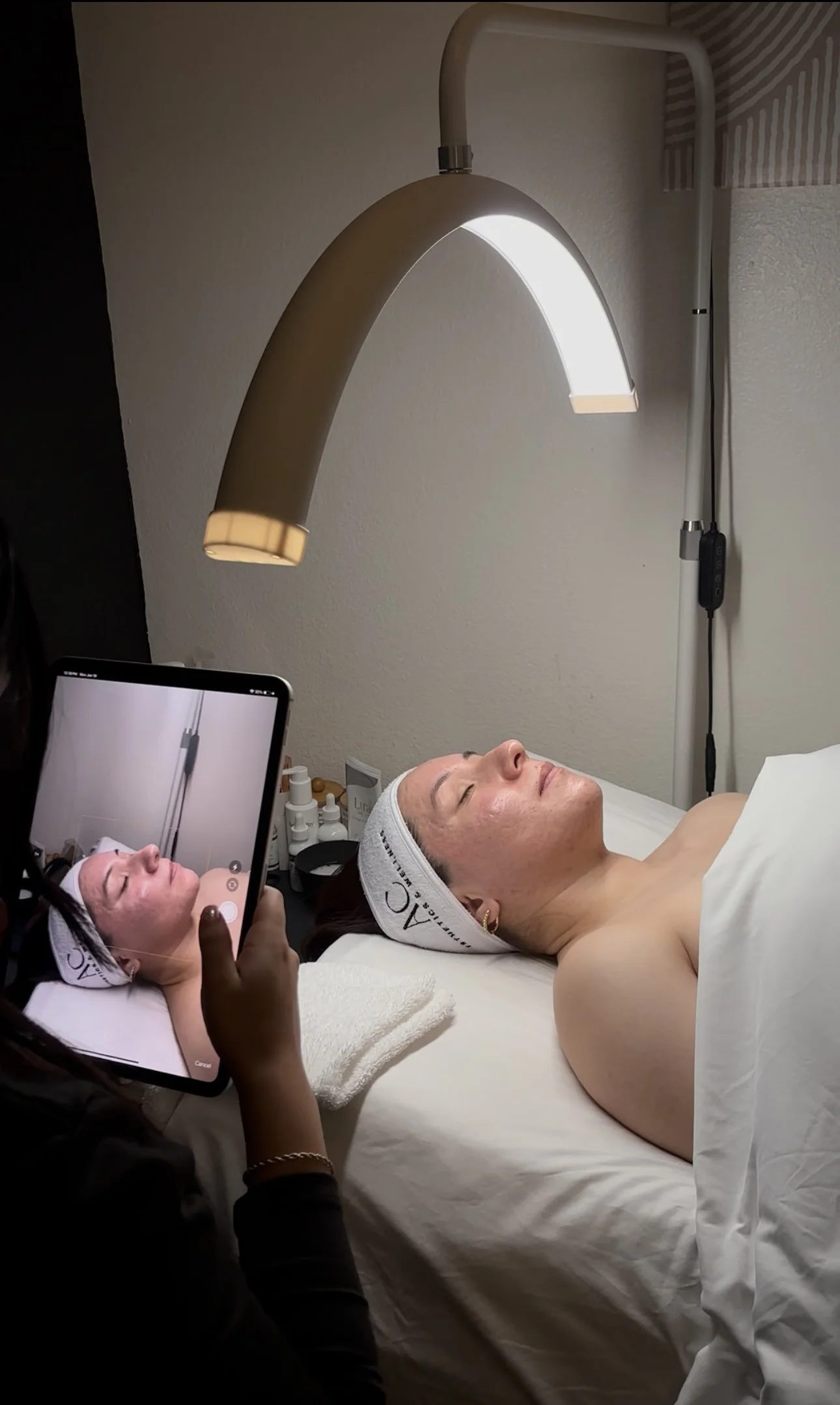
Intake and medical history
Current concerns: Onset, pattern, triggers, and impact on daily life.
Past and present treatments: Over-the-counter products, prescription medications, professional procedures, and any allergic reactions.
Medical conditions and medications: Hormonal issues, gastrointestinal complaints, recent antibiotics, isotretinoin use, and other systemic medicines that can influence acne.
Lifestyle factors: Diet, sleep, stress, exercise, smoking, and skincare routine.
Menstrual and hormonal history (when relevant): Cycle regularity, symptoms of hormonal imbalance, and use of hormonal contraception.
Skin assessment
Skin type and sensitivity: Dry, normal, combination, oily, reactive.
Acne presentation: Comedones (whiteheads/blackheads), papules, pustules, nodules, cysts, post-inflammatory hyperpigmentation, and scarring.
Distribution and severity: Face, chest, back; mild, moderate, or severe.
Skin barrier and inflammation signs: Redness, scaling, sebum level.
Photodamage and pigmentation: Assess for sun damage that can affect treatment choices.
Diagnostic considerations
Determine acne subtype (inflammatory vs. noninflammatory; hormonal vs. bacterial).
Evaluate potential contributing factors: Diet, cosmetics (comedogenicity), occlusive clothing, mechanical irritation, and environmental exposures.
When appropriate, recommend laboratory testing or referral: Hormone panels (e.g., androgens), pregnancy test, or referral to dermatology or primary care for systemic evaluation.
Treatment planning
Personalized, multi-step approach combining topical, in-office, and lifestyle strategies.
Topical options: Retinoids, benzoyl peroxide, topical antibiotics (as appropriate), azelaic acid, or combination products.
In-office treatments: Chemical peels, medical-grade facials, extractions, LED therapy, micro needling (for scarring), and light-based procedures as indicated.
Systemic therapies: Discussion of oral antibiotics, hormonal treatments (e.g., combined oral contraceptives, spironolactone), and isotretinoin when outside clinic scope—coordinate with or refer to prescribing providers.
Scar and pigment management: Strategies to prevent and treat post-inflammatory hyperpigmentation and acne scarring; staged approach recommended.
Home care and product guidance
Simplified, gentle routine to protect the skin barrier while treating acne.
Cleanser: Nonstripping, pH-appropriate choice.
Actives: Guidance on introducing retinoids, benzoyl peroxide, or azelaic acid with timing and concentrations based on tolerance.
Moisturizer and sun protection: Noncomedogenic moisturizer and broad-spectrum SPF daily.
Avoiding irritants: Overuse of exfoliants, harsh scrubs, and pore-clogging cosmetics.
Patch testing and gradual introduction of new actives to reduce irritation.
Setting realistic expectations
Timeline: Visible improvement often begins within 4–12 weeks; full results can take several months.
Possible initial worsening: Purging or increased dryness/irritation may occur when starting retinoids or other actives.
Maintenance: Ongoing regimens and occasional professional treatments are frequently needed to sustain results.
Clear metrics: Photographs, severity grading, and symptom tracking help measure progress.
Follow-up and coordination
Follow-up schedule tailored to treatment intensity—commonly 4–12 weeks after starting therapy.
Adjustment plan for side effects, efficacy, and escalation or de-escalation of treatments.
Coordination with dermatologists, primary care, or other specialists when systemic therapy, complex scarring, or hormonal evaluation is necessary.
Cost and session logistics
Consultation duration and fees explained upfront.
Clear disclosure of recommended treatment costs, package options for series (peels, microneedling), and product pricing.
Insurance information: Cosmetic procedures may not be covered; medical treatments coordinated through prescribing providers.
Who benefits
Individuals with any acne severity seeking a professional, personalized approach—teens, adults with persistent or adult-onset acne, hormonally influenced acne, and those concerned about scarring or pigmentation.
Preparing for your consultation
Bring a list of current products and medications, recent photos showing acne progression, and any relevant medical records or lab results.
Avoid starting new topical prescription treatments within 48–72 hours of the visit unless instructed.
Let's take the first step toward healthier skin
You don't have to navigate acne alone—we'll create a plan that works for you.