
Chemical Peel
A chemical peel is a professional exfoliation treatment that uses acids or enzyme solutions to remove damaged outer layers of skin, revealing smoother, more even-toned skin beneath. Peels vary in strength and formulation and are used to treat concerns such as acne, fine lines and wrinkles, uneven pigmentation, sun damage, rough texture, and enlarged pores.
Types of Chemical Peels
Superficial peels: Mild acids (commonly alpha-hydroxy acids like glycolic or lactic acid, or salicylic acid) that gently remove the outermost skin layer. Minimal downtime; used for mild texture issues, dullness, and early signs of aging.
Medium peels: Typically use trichloroacetic acid (TCA) or higher concentrations of glycolic acid. They penetrate the epidermis and reach the upper dermis, improving moderate sun damage, pigmentation irregularities, and fine lines. Recovery may include several days of peeling and redness.
Deep peels: Strong solutions such as high-concentration TCA or phenol that reach deeper dermal layers. These produce dramatic results for severe sun damage, deep wrinkles, and pronounced scarring but require longer recovery and medical supervision.
How It Works Chemical peels work by breaking down the bonds between dead skin cells and triggering controlled injury to the skin layers. The body responds with increased cell turnover and collagen remodeling, resulting in reduced discoloration, refined texture, and improved firmness over time. Neutralizing agents and post-treatment care help manage inflammation and support healing.
Common Indications
Mild to moderate acne and acne scarring
Hyperpigmentation, melasma, and sunspots
Fine lines and superficial wrinkles
Rough or uneven skin texture
Dull complexion and clogged pores
Treatment Process
Consultation: Skin assessment, medical history review, and discussion of goals. The provider chooses the appropriate peel type and pre-treatment regimen.
Preparation: Cleansing and, if necessary, application of topical pre-peel agents (e.g., retinoids or bleaching agents) for several weeks to optimize results and reduce complications.
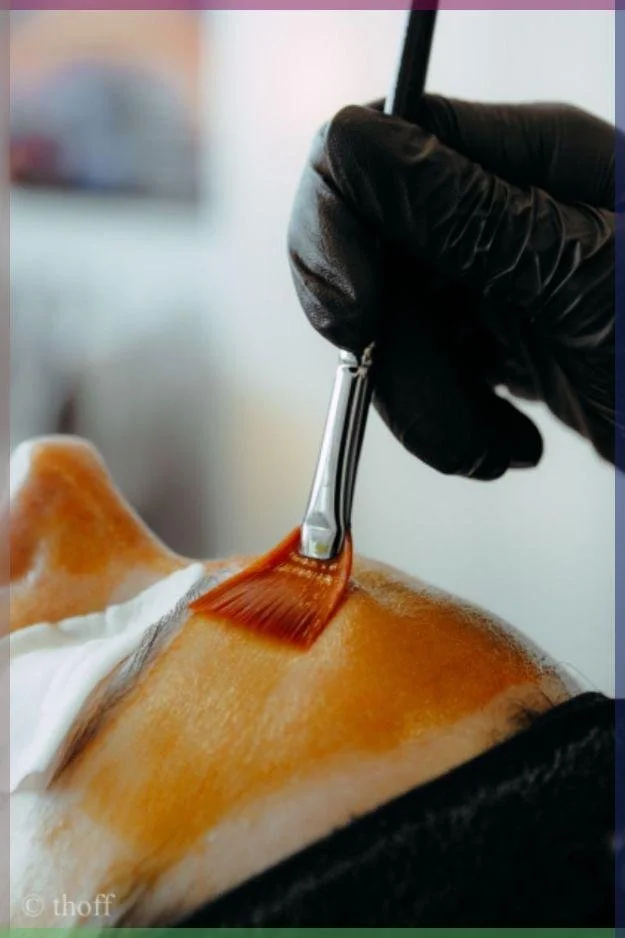
Application: The chosen peel solution is evenly applied for a controlled period. Sensations range from mild tingling to stinging or warmth. Procedures for medium or deep peels are performed by experienced clinicians.
Neutralization and aftercare: The peel is neutralized when appropriate. Post-procedure instructions include sun avoidance, gentle cleansing, moisturization, and topical support (e.g., sunscreen, barrier creams). Prescription products may be provided for deeper peels.
Expected Results and Timeline
Superficial peels: Results visible within days to weeks; improvement with a series of treatments spaced several weeks apart.
Medium peels: Noticeable improvement after healing (typically 1–2 weeks of peeling), with continued skin remodeling over months.
Deep peels: More dramatic, long-lasting results after several weeks of recovery; may produce permanent improvements in specific concerns.
Risks and Considerations
Temporary redness, peeling, and sensitivity are common.
Hyperpigmentation or hypopigmentation can occur, particularly in darker skin types.
Infection, scarring, and prolonged redness are less common but possible, especially with deeper peels or inadequate aftercare.
Not all peels are appropriate for all skin types or certain medical conditions; an individualized assessment is essential.
Aftercare and Maintenance
Strict sun protection is critical—use broad-spectrum sunscreen daily and avoid direct sun exposure during healing.
Gentle, hydrating skincare supports barrier recovery; avoid harsh scrubs and active ingredients (retinoids, exfoliating acids) until cleared by your provider.
A series of superficial peels or periodic maintenance treatments often yield the best long-term results, combined with medical-grade skincare and sun protection.