
The Seven Different Types of Acne
When most people think of acne, they think of giant, red bumps but acne actually comes in all different shapes and sizes. Acne also ranges from mild to severe, it can be occasional or constant, and it can last for a month or a decade. Regardless of how noticeable it is, how often you breakout, or how long it lasts, it all counts! I have experienced every type of acne at various points in my life and I can assure you that having non-inflamed acne sucks just as much as inflamed acne does.
The Two Main Categories Of Acne
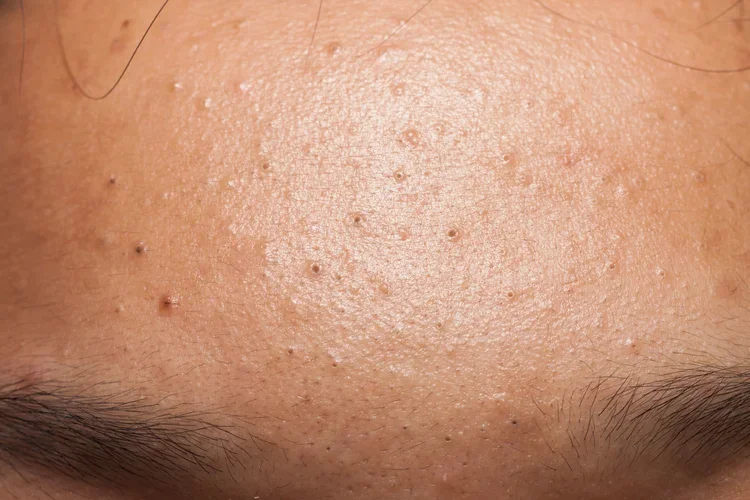
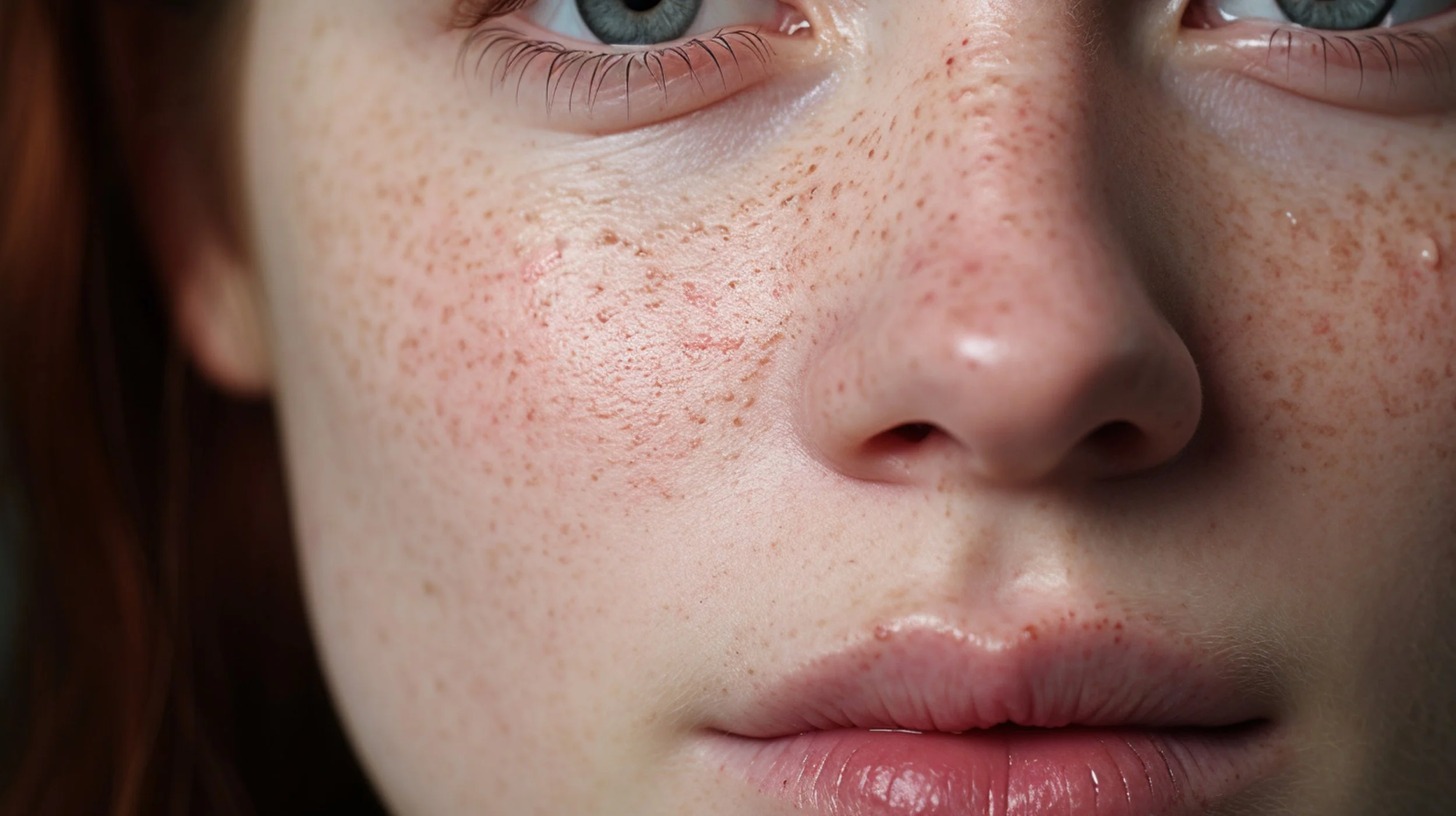
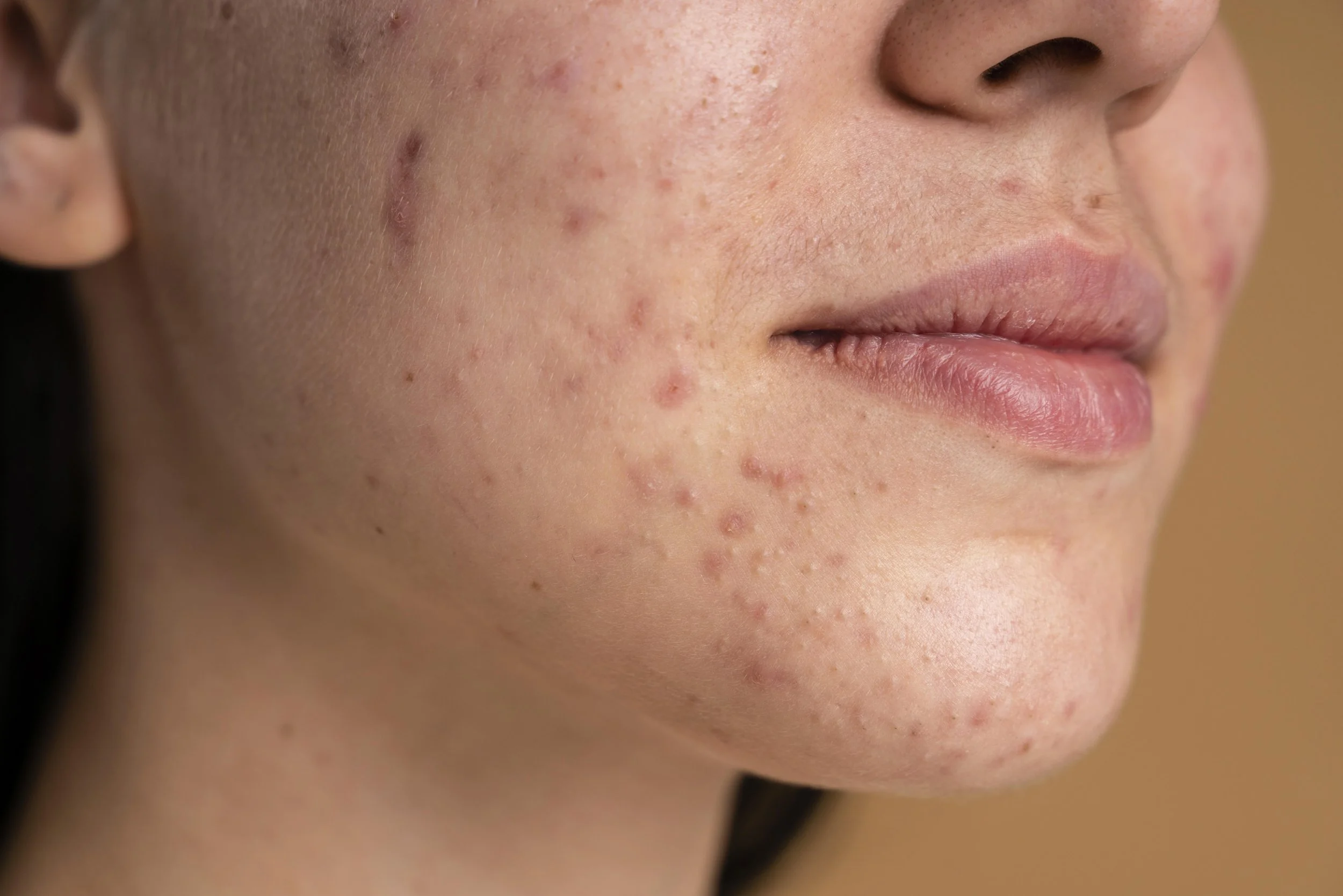
There are two main categories of acne: inflamed and non-inflamed and there are seven different subtypes within those two categories. As you can see from the pictures, these two types of acne look very different and could easily be mistaken for completely different conditions altogether. Inflamed acne is the type of acne that most people identify as “acne” because inflamed lesions are bigger, redder, and can be pus filled and sore. Non-inflamed acne looks like little tiny bumps or seeds underneath the skin and people often describe it as “bumpiness” or “texture” that might only be visible under certain angles and lighting. A lot of people with NI acne don’t even realize they have acne and I have even had clients whose Dermatologists misdiagnosed their non-inflamed acne for allergies! Dermatologists are special….Anyways, non-inflamed acne is basically the baby stage of acne and when it gets bigger, it can become the more grown-up inflamed acne. The most common acne type is combination because most people have some of each type although you might have more of one type than the other and your acne type will likely shift at different points in your acne journey.
Non-Inflamed Acne
Inflamed Acne
The seven types of acne
Here are the seven types of acne and each one falls within the inflamed or non-inflamed category. The three types of non-inflamed lesions are microcomedones, blackheads (aka open comedones), and whiteheads (aka closed comedones). The four types of inflamed lesions are papules, pustules, cysts, and nodules. Different types of acne should be handled differently which is why the AES method was designed to handle every type of acne with the appropriate types of care.
Microcomedones
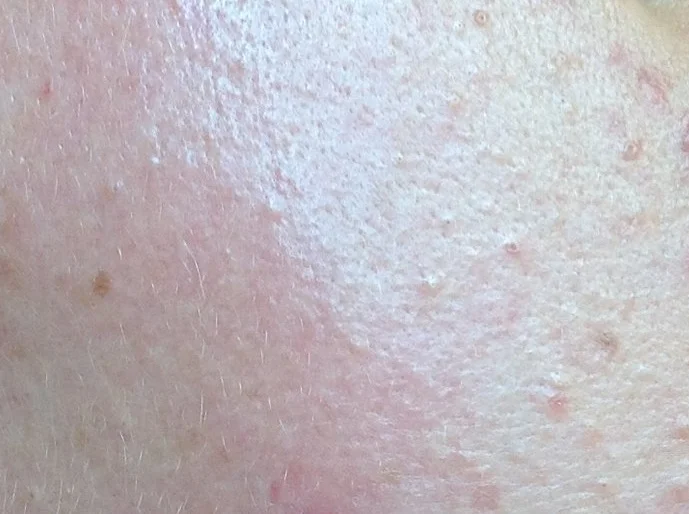
The earliest stage of acne, invisible to the naked eye, forming under the skin’s surface.

Whiteheads
Closed clogged pores that appear as small white bumps on the skin surface.

Blackheads
Open clogged pores exposed to air, turning dark due to oxidation.

Cysts
Cysts occur when inflammation occurs in the deeper layers of the skin causing a tender, red bump.
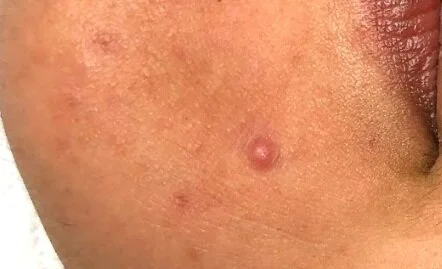
Skin Examination
Detailed analysis helps determine the type and severity of acne before treatment.

Pustules
Inflamed lesions filled with pus, commonly known as pimples.
Nodules
Nodules are Cysts that are interconnected deep in the skin so it look like a cluster of big, red bumps that are chained together.

Why non-comedogenic products are not necessarily good for acne
YOU MAY ALSO LIKE…

Direct vs indirect acne triggers: what you don't do is as important as what you do

What does comedogenic for acne products mean?
